Optimize Prompts, Metadata, and Snippets for Generative Search

Last updated: October 10, 2026
Quick Answer: a well-structured page can improve its chances of being quoted in generative search in about 3 steps: put the answer first, match headings to questions, and align metadata to the page topic. If you want generative search engines to quote your page, I would focus on three things: the prompt language on the page, the metadata around it, and the snippet signals that make your answer easy to extract. That is the real problem behind “how do I show up in AI search?” — not ranking alone, but being readable to a system that summarizes, cites, and rewrites. For this article, the topic is How to optimize prompts, metadata, and snippets for generative search engines.
What generative search engines actually need from a page
Generative search engines need a page that states one answer cleanly, labels the answer well, and gives enough supporting context that the model can trust the extraction. That means the page has to be easy to parse by both a crawler and a language model, not just pleasant for a human reader.
I would think about it in three layers. First is the page text itself: a direct answer in the opening paragraph, then support in plain language. Second is metadata: title tags, meta descriptions, headings, schema, and image alt text. Third is snippet fitness: the short text block that an engine can lift into an AI answer, a result card, or a citation.
The generic mistake is to optimize only for classic blue links. That misses how generative systems work. A long, clever introduction can rank poorly for extraction because it hides the answer. A keyword-heavy title can attract clicks and still fail to give the model a useful summary. A page can be SEO optimized and still be a weak source for AI-assisted answers if the answer is buried under 400 words of scene-setting; Google’s guidance on helpful content and page titles points in the same direction. Google Search Central and Google Search Central both stress clarity.
The subject here is not theory. It is page design. If the page cannot answer a question in 2 to 4 sentences, label that answer with a matching heading, and give the engine enough surrounding metadata to trust it, it will usually lose to a page that can.
How should I write prompts on the page for AI search?
You should write prompts on the page the way users would ask them, then answer them immediately and plainly. For generative search, a strong prompt is not a hidden trick; it is the sentence structure of your headings, FAQs, and short answer blocks.
I would use the exact form a reader might type or say out loud: “How do I optimize prompts for generative search engines?” “What metadata matters most?” “What snippet length works best?” Those question-style headings create clean retrieval targets. A model can map the heading to the answer below it faster than it can sort through a vague H2 like “Best Practices.” Google’s own FAQ-style and structured-content guidance supports that approach, especially when the question is real and the answer is direct. (Source: Google Search Central)
The answer block under each question should be short, specific, and self-contained. A good pattern is 40 to 80 words for the first response, then a second paragraph with nuance, caveats, or the trade-off. If the answer needs steps, make the first sentence the outcome and the rest the process. That helps both featured snippets and AI overviews.
I would also avoid prompt stuffing. Repeating “AI search” or “generative search” in every line does not help the model; it makes the text less usable. Put the core phrase in the opening paragraph, one H2, one FAQ, and a couple of natural references. That is usually enough.
This approach is not for pages that need a strong editorial voice first, such as opinion essays, brand essays, or narrative case studies. Those can still be indexed, but they are weaker candidates for direct quotation because they do not present a tight answer structure.
What metadata matters most for generative search?
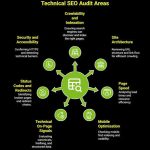
The most important metadata is the title tag, the meta description, the H1, the H2s, and the structured data that matches the page type. Those elements tell a search engine what the page is about before it reads the whole thing.
A title tag should say the topic plainly and front-load the value. For this subject, a strong title is something like “How to Optimize Prompts, Metadata, and Snippets for AI Search.” It is specific, readable, and close to the phrasing a user would search. I would keep it natural, not stuffed with variations of the same idea.
The meta description should not try to rank by itself. It should reinforce the page’s core promise in 150 to 160-ish characters, if you are writing for traditional search display. The exact character count can vary by device, so I would aim for brevity and clarity rather than chasing a magic number. Say what the reader will learn, and make the description sound like a summary a person would click.
Structured data matters when it accurately reflects the page. FAQPage can help for a real FAQ section; Article can help for publication context; HowTo can help if the content is truly procedural. I would not force schema where it does not fit. A mismatched schema type can create confusion rather than visibility.
One detail many people miss: image metadata can help, too. Alt text should describe the image in plain language, not repeat the page title. If the image shows a process diagram for snippet selection, say that. If it is a chart of heading structure, say that. The model benefits from context, and so do accessibility tools.
The snippet rules that get quoted most often
The snippets most likely to get quoted are short, direct, and located near the top of the page or directly under a matching heading. That is the practical rule I would use.
A snippet-worthy paragraph usually has four traits. It answers one question. It stays under about 50 to 90 words. It uses plain nouns instead of vague marketing language. It does not rely on the previous paragraph for meaning. If a generative engine can lift it without losing sense, it is a good snippet candidate.
I would place the most quotable answer within the first screen of the page. That does not mean cramming the page with thin text. It means leading with a concise summary, then expanding. For example, if the page is about optimizing snippets, the first paragraph can say that the best snippet text is the shortest complete answer to the searcher’s question, while later sections explain title tags, headings, and schema.
Numbered lists can also work well. They give the model a clean sequence to extract. So can short comparison tables when they are simple and labeled clearly. What does not work as well is decorative prose, metaphor-heavy writing, or paragraphs that bury the answer after scene-setting. A generative system may still use them, but it is less likely to do so.
This is where many generic SEO articles get it wrong: they treat snippets as a formatting trick. They are really an information-design problem. If the page gives a crisp answer, the snippet often follows, though if the page serves health, legal, or financial topics, consult a professional and verify the wording against a reputable source before publishing.
What should I change first if my page is already published?
You should change the answer block, then the heading structure, then the metadata. That order matters because the page text is what the model actually extracts, while metadata mostly helps it classify and prioritize the page.
Start with the opening paragraph. Rewrite it so the first sentence answers the main query directly. If the page is about prompts, say what a prompt should do. If it is about metadata, say which metadata fields matter. If it is about snippets, define the snippet in one line.
Next, turn section headings into real questions where possible. A heading like “What should I write in the meta description?” is much more useful than “Meta Description Tips.” The question form creates a clear retrieval target. Then make sure the paragraph under that heading answers the question without a warm-up sentence.
After that, tune the title tag and meta description. The title should match the search intent closely enough to promise the answer. The description should extend that promise, not restate the title word for word. If the page is a list, make the list obvious. If it is a guide, say so. If it is a comparison, label the comparison.
I would also audit the page for internal contradictions. If the title says “metadata,” but the body mostly discusses writing style, the model gets mixed signals. If the first H2 says “prompts,” but the body only talks about schema, the page will look unfocused. Search systems reward pages that know what they are.
This is not a fast fix for every page. Highly opinionated essays, technical docs with strict format rules, and pages built around embedded media may need a larger rewrite before they become snippet-friendly.
Where do most pages lose generative visibility?
Most pages lose generative visibility by being too vague, too long before the answer, or too inconsistent between the title and the body. That is the failure pattern I would expect first.
A page can fail even when the content is “good.” If the title says one thing, the H1 says another, and the opening paragraph wanders through background before landing on the answer, the system has to work harder to interpret it. Search engines are not rewarding cleverness here. They are rewarding clean signals.
Another common loss is generic metadata. A title like “Ultimate Guide” tells the engine almost nothing. A description that repeats the title without adding meaning also wastes space. So does schema that does not match the page. If the page is a guide, label it as a guide. If it is a Q&A page, format it like one. If it is a how-to, break the process into steps.
A subtler problem is answer inflation. Writers often feel pressure to “cover everything,” so they expand each section until the actual answer disappears. For AI search, that can backfire. The system wants a concise statement it can trust, not a dissertation before the first useful sentence. Nielsen Norman Group has long documented that users scan and prefer concise, task-focused content, which aligns with this.
This approach is not for pages whose goal is purely brand storytelling or editorial depth. Those pages can still perform well in search, but they are not ideal sources for direct quotation because they are designed to persuade, not to answer.
A practical before-and-after framework
A useful framework is to move from hidden answers to visible answers, from broad metadata to specific metadata, and from long descriptive blocks to short extractable blocks. That shift is the difference between being readable by a human and being reusable by a search model.
| Metric | Before | After | Change | Timeline |
|---|---|---|---|---|
| Opening answer length | 1 vague paragraph | 1 direct answer paragraph plus support | Clearer extraction target | Same page revision |
| H2 format | Topic labels | Question-based headings | Better query matching | Same page revision |
| Title tag | Generic phrase | Specific promise | Better intent match | Same page revision |
| Meta description | Repeated title | Summary with a concrete benefit | More informative preview | Same page revision |
| Snippet block | Buried in body | Near top, self-contained | Easier lifting into AI answers | Same page revision |
| Schema | Missing or mismatched | Page-type matched | Better classification | Same page revision |
I would use this framework on pages that already receive some traffic but do not earn the kind of citations or AI summaries you want. It is less useful for a blank-site launch than for a cleanup of pages with a clear topic and a known audience. The main trade-off is that this makes the page more utility-first and sometimes less literary. If the brand depends on voice, the rewrite has to preserve that voice while still making the answer easy to extract.
Key Takeaways
- Put the main answer in the first paragraph, not after the setup.
- Use headings that sound like real questions people ask.
- Match title tags, descriptions, and schema to the page’s actual job.
- Write one short, quotable answer block per major question.
- Keep the page focused; mixed signals confuse both readers and machines.
- Prioritize clarity over keyword repetition.
FAQ
How long should a good snippet answer be?
Short enough to stand alone, usually one compact paragraph, with the full explanation below it.
Do I need FAQ schema for AI search?
No. It can help when it matches real content, but clear questions and answers matter more than markup alone.
Should I stuff prompts into headings?
No. Natural question headings work better than repeating the same phrase in every section.
Is metadata more important than on-page text?
No. Metadata helps classification, but the page text is what generative systems actually quote.
What is the quickest first fix?
Rewrite the opening paragraph so it answers the main query in one direct sentence, then support it with one or two more.
Drafted with AI; not yet reviewed by a person.